Icelandic Horses breed
Sprengisandur - 7 Days tour
Important information before joining our horseback riding tours
Thank you for choosing to ride with us! To make sure your experience is safe, comfortable, and memorable, please read the following important information before participating in any of our riding tours.
1. Insurance
2. Rider Requirements
3. Clothing & Equipment
4. Arrival & Check-In
5. Weather & Tour Conditions
6. Personal Items & Valuables
7. Respect for Our Horses
Our horses are our family members, each of them with great individual personality. Be kind to them and respect they work. Positive attitude helps create a safe and enjoyable experience for everyone.
9. Cancellation & Booking Policy
Caution!
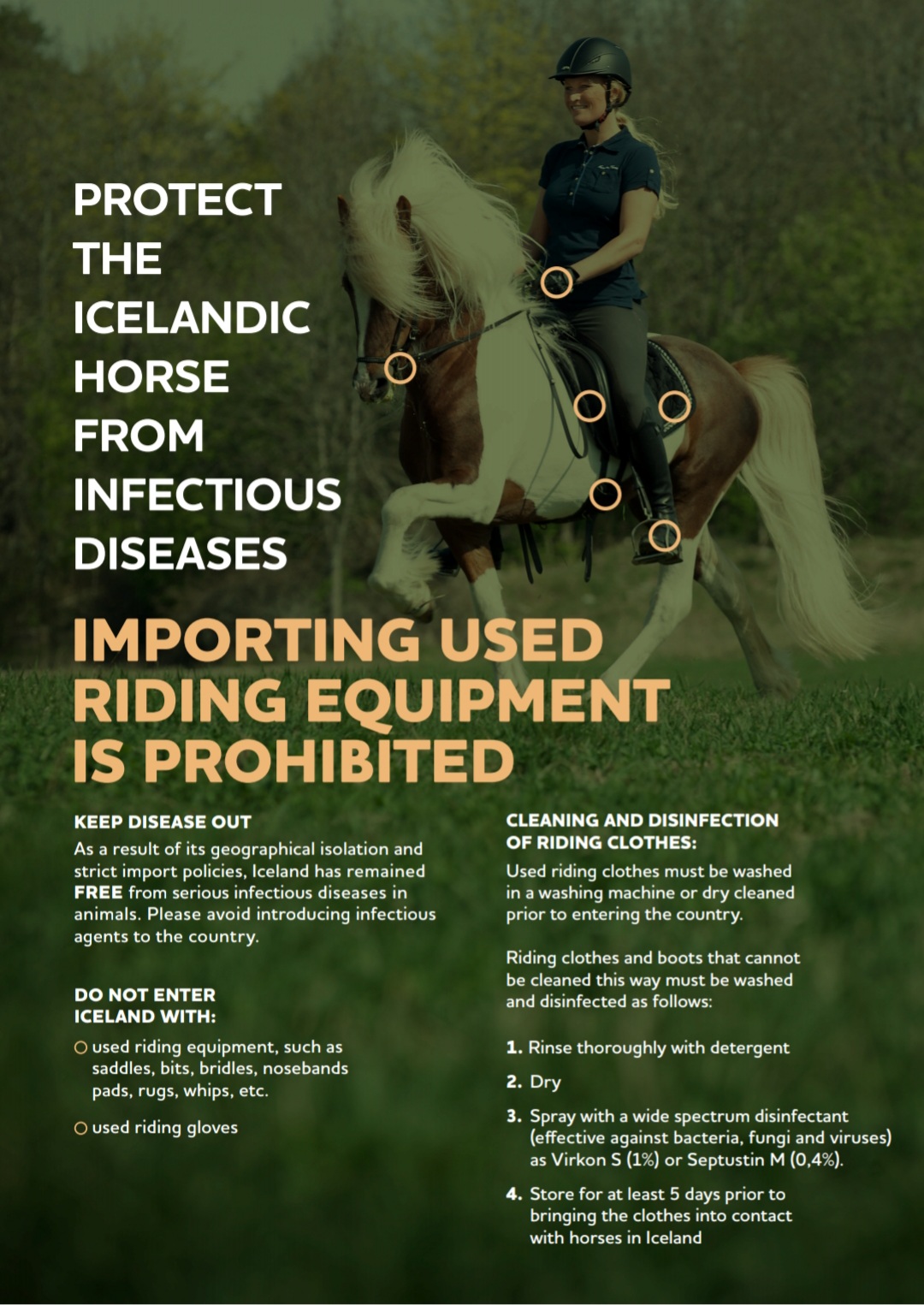
Used boots, riding wear etc. must be disinfected before arrival to Iceland. The reason – infectious diseases can easily be brought into the country, which creates a great danger for the horses and other domestic animals.
Icelandic Horses breed
Icleandic horses breed
Icelandic horse breed are horses developed in Iceland. The horses are small, at times pony-sized but most registries for the Icelandic refer to it as a horse. They are long-lived and strong. In their native country they have only few diseases. The Icelandic displays two unique gaits tölt and pace. It is the only breed of horse in Iceland, they are also popular internationally.
History
Developed from ponies taken to Iceland by Scandinavian settlers in the 9th and 10th centuries. The first reference to a named horse appears in the 12th century. Horses are also mention in Norse mythology. Selected breeding and natural selection is the reason of how Icelandic horse are today. Today the breed is represented by organizations in 19 different nations. It is organized under a parent association, the International Federation of Icelandic Horse Associations.
Size and shape
Theirs weigh between 330 and 380 kilograms and stand an average of 132 and 142 cm high. There is several teoriesab about why Icelandic’s are always called horses. The breed is known for big temperament and large personality.
Another theory suggests that the breed’s weight, bone structure and weight-carrying abilities mean it can be classified as a horse, rather than a pony. The breed comes in many coat colors, including chestnut, dun, bay, black, gray, palomino, pinto and roan. There are over 100 names for various colors and color patterns in the Icelandic language. We also have many rooles about how we can name our horses.
Long live
Our horses are trained when they are 4 and for many the training continues up to 7 years old. Their most productive years are between eight and eighteen, although they keep their strength and stamina into their twenties. An Icelandic mare that lived in Denmark is a record age of 56.
The horses are highly fertile, and both sexes are fit for breeding up to age 25. Some mares can give birth until 27. The horses dont´t spook easily. It is the result of not having any natural predators. Icelandic are friendly and easy to handle, although also enthusiastic and self-assured. As a result of their isolation from other horses, disease in the breed within Iceland is mostly unknown.
Isolation
The low prevalence of disease in Iceland is maintained by laws preventing horses exported from the country being returned. By requiring that all equine equipment taken into the country be either new and unused or fully disinfected. Native horses have no acquired immunity to disease. Outbreak on the island would be likely to be devastating to the breed. This presents problems with showing native Icelandic horses against others of the breed from outside the country. Any other horse breeds can be imported to Iceland and once horses leave the country they are not allowed to return.
Gaits
The Icelandic is a “five-gaited” breed, known for its sure-foot and ability to cross rough terrain. They can walk, trot, and canter/gallop, the breed is noted for its ability to perform two additional gaits. Icelandic horse can also move in super smooth tölt and very fast flying pace.
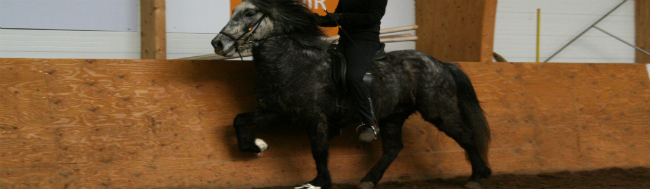
The first additional gait is a four-beat lateral ambling gait known as the tölt. This is known for its explosive acceleration and speed; it is also comfortable and ground-covering. There is considerable variation in style within the gait. The tölt is variously compared to similar lateral gaits such as the rack of the Saddlebred, the largo of the Paso Fino, the running walk of Tennessee Walking Horse.
Gaits training
Differs from the walk in that it can be performed at a range of speeds, from the speed of a typical fast walk up to the speed of a normal canter. Some Icelandic horses prefer to tölt, while others prefer to trot. Correct training can improve weak gaits, but the tölt is a natural gait present from birth. There are two varieties of the tölt that are considered incorrect by breeders. The first is an uneven gait called a “Pig’s Pace” or “Piggy-pace” that is closer to a two-beat pace than a four-beat amble. The second is called a Valhopp and is a tölt and canter combination most often seen in untrained young horses or horses that mix their gaits. Both varieties are normally uncomfortable to ride.
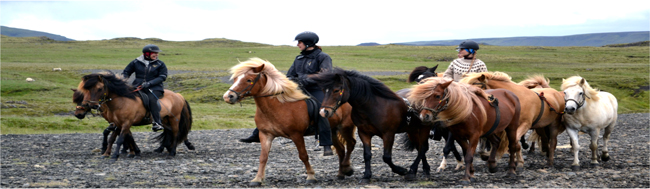
The icelandic horses breed also performs a pace called a skeið, flugskeið or “flying pace”. It is used in pacing races, and is fast and smooth, with some horses able to reach up to 30 miles per hour (48 km/h). Not all Icelandic horses can perform this gait. The flying pace is a two-beat lateral gait with a moment of suspension between footfalls. Each side has both feet land almost simultaneously (left hind and left front, suspension, right hind and right front).
It is meant to be performed by well-trained and balanced horses with skilled riders. It is not a gait used for long-distance travel. A slow pace is uncomfortable for the rider and is not encouraged when training the horse to perform the gait. Although most pacing horses are raced in harness using sulkies, in Iceland horses are raced while ridden.

Recent Comments